
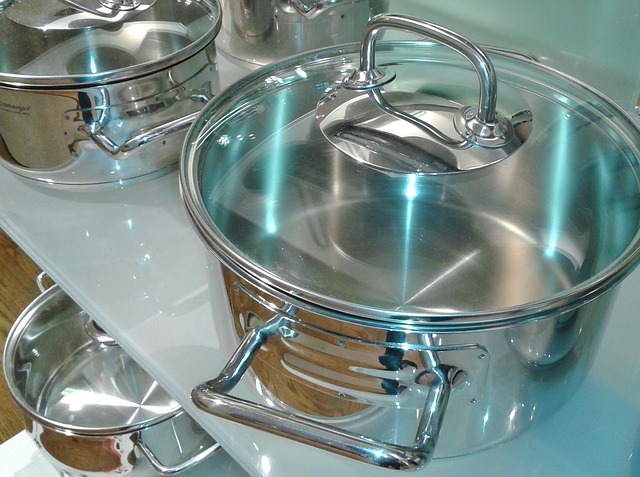
Stainless steel is a staple in Australian homes and commercial spaces, from modern kitchens to outdoor BBQ areas and professional workstations. Its sleek appearance, durability, and resistance to corrosion make it a popular choice—but despite its name, stainless steel isn’t completely stain-proof.
If you’ve ever noticed fingerprints, streaks, grease marks, or even rust spots forming on your surfaces, you’re not alone. Knowing how to clean stainless steel appliances properly is essential to maintaining their look and longevity. In this guide, we’ll walk you through the best way to clean stainless steel, along with expert tips tailored for Australian conditions.
Why Stainless Steel Needs Proper Cleaning
Many people assume stainless steel doesn’t require much maintenance, but that’s a common misconception. While it resists rust better than other metals, it still needs regular care to stay in top condition.
In Australia, environmental factors can make cleaning even more important. Coastal areas often expose surfaces to salt in the air, which can accelerate corrosion. Inland regions may experience hard water, leading to mineral deposits and streaks. Outdoor kitchens and BBQ setups are also exposed to dust, grease, and weather conditions.
Without proper cleaning, stainless steel can:
- Lose its shine and develop dull patches
- Show visible smudges and fingerprints
- Develop stubborn stains or corrosion over time
Regular maintenance not only improves appearance but also extends the lifespan of your appliances and surfaces.
Understanding Stainless Steel Surfaces
Before diving into cleaning methods, it’s important to understand how stainless steel works.
Most stainless steel surfaces have a grain, similar to wood. This grain can run horizontally or vertically, and cleaning along it is crucial to avoid scratches and streaks.
Stainless steel also has a thin protective layer called the chromium oxide layer, which prevents rust. Harsh chemicals or abrasive tools can damage this layer, making the surface more vulnerable to corrosion.
There are generally two common finishes:
- Brushed stainless steel: Matte finish, more resistant to visible fingerprints
- Polished stainless steel: Glossy finish, more prone to smudges but visually striking
Knowing your surface type helps you choose the safest and most effective cleaning approach.
Essential Tools & Cleaning Supplies
You don’t need expensive products to keep stainless steel looking great. In fact, some of the best ways to clean stainless steel involve simple household items.
Basic Cleaning Supplies
- Microfibre cloths (non-abrasive and lint-free)
- Warm water
- Mild dishwashing liquid
Optional for Deeper Cleaning
- White vinegar (great for cutting grease and removing streaks)
- Baking soda (for stubborn stains)
- Commercial stainless steel cleaners
- Olive oil or baby oil (for polishing)
What to Avoid
- Steel wool or scouring pads
- Bleach or chlorine-based cleaners
- Harsh abrasive chemicals
Using the wrong tools can cause permanent scratches or damage the protective surface.
How to Clean Stainless Steel Appliances (Step-by-Step Guide)
If you’re wondering exactly how to clean stainless steel appliances, follow this simple and effective process:
Step 1: Wipe with Warm Soapy Water
Start by mixing a few drops of mild dish soap with warm water. Use a soft microfibre cloth to wipe down the surface, removing grease, dust, and loose debris.
Step 2: Rinse Thoroughly
After cleaning, wipe the surface again with a clean cloth dampened with plain water. This removes any soap residue that could leave streaks.
Step 3: Dry Immediately
Dry the surface with a clean, dry cloth straight away. This step is especially important in Australia, where hard water can leave noticeable spots.
Step 4: Clean Along the Grain
Always wipe in the direction of the grain. This prevents scratching and ensures a more polished, professional finish.
Step 5: Polish for a Streak-Free Finish
For extra shine, apply a small amount of oil (like olive oil) to a cloth and gently buff the surface. This creates a protective layer and enhances the appearance.
Best Way to Clean Stainless Steel (Pro Methods & Expert Tips)
There is a range of products as well as techniques to polish and clean stainless appliances. The following are techniques you can use to polish the appliances:
1. Making use of mixed of vinegar and olive oil
This easy blend of vinegar and olive oil will be able to polish and eliminate limescale and rust to flawlessness.
- place white vinegar in a spraying bottle
- sprinkle onto the area. You can additionally employ the vinegar onto a microfiber fabric
- rub in the way of the grain
- as soon as clean, put some drops of mineral or olive oil to a microfiber cloth as well as polish in the way of the grain. In case extra oil stays, wipe away with a clean fabric.
2. Making use of mild dish soap as well as water
- utilizing hot water and moderate dishwashing fluid, wipe in the position of the grain.
- wash using a thoroughly clean cloth wet in hot water to help eliminate all soap deposits.
- Dry it out with a smooth fabric to avoid water spots
- clean with a little amount of olive oil or baby oil
3. Commercial stainless steel cleaner
You can additionally take advantage a particularly designed cleaning device to polish and clean your stainless steel appliances.
- apply the product on the appliance then let it soak for up to a couple of minutes
- clean with a polish non-abrasive fabric
- make certain to follow the guidelines written on the item considering the cleaners may differ
4. Baking Soda Paste
For tougher stains, mix baking soda with a small amount of water to form a paste. Gently rub it onto the affected area using a soft cloth, then rinse and dry.
How to Remove Common Stainless Steel Problems
Even with regular cleaning, certain issues can still appear. Here’s how to handle them:
Fingerprints and Smudges
Use a vinegar solution or a dedicated stainless steel cleaner. Wipe along the grain for best results.
Grease and Oil Build-Up
Warm soapy water is usually enough. For heavy grease, repeat the process or use vinegar for extra cutting power.
Water Spots and Streaks
These are common in areas with hard water. Prevent them by drying immediately after cleaning and using vinegar if needed.
Rust Spots
Although rare, rust can occur. Apply a baking soda paste or a specialised cleaner and gently rub the area. Avoid aggressive scrubbing.
Cleaning Stainless Steel in Outdoor Australian Conditions
Outdoor stainless steel surfaces, such as BBQs and benches, require extra care due to exposure to the elements.
In coastal regions, salt in the air can accelerate corrosion. In dusty or dry areas, debris can accumulate quickly. Regular cleaning is essential to prevent long-term damage.
Tips for Outdoor Maintenance
- Clean surfaces at least once a week
- Rinse off salt or dust with fresh water
- Dry thoroughly after cleaning
- Use protective polish to create a barrier
Consistent care ensures your outdoor stainless steel stays functional and visually appealing year-round.
Maintenance Tips to Keep Stainless Steel Looking New
Keeping stainless steel in top condition doesn’t require much effort—just consistency.
- Daily: Quick wipe to remove fingerprints and spills
- Weekly: Thorough clean with soap and water
- Monthly: Polish to maintain shine and protection
Also, use separate cloths for stainless steel to avoid transferring dirt or chemicals from other surfaces.
Common Mistakes to Avoid
Even small mistakes can damage stainless steel over time. Avoid these common pitfalls:
- Cleaning against the grain
- Letting water air-dry (causes spots)
- Using abrasive scrubbers
- Applying harsh chemicals
- Ignoring spills or stains for too long
Being mindful of these mistakes will help preserve your surfaces for years.
Eco-Friendly Cleaning Options for Australian Homes
If you prefer natural cleaning solutions, there are plenty of effective and eco-friendly options available.
Vinegar, baking soda, and lemon juice are all safe and affordable alternatives to chemical cleaners. They’re ideal for households with children or pets and reduce environmental impact.
Benefits of eco-friendly cleaning include:
- Lower cost
- Reduced chemical exposure
- Environmentally sustainable practices
These methods are not only effective but also align with a more sustainable lifestyle.
Conclusion
Learning how to clean stainless steel appliances properly doesn’t have to be complicated. With the right techniques and a consistent routine, you can keep your surfaces looking clean, polished, and long-lasting.
The best way to clean stainless steel is to use gentle methods, follow the grain, and always dry thoroughly. Whether you’re maintaining an indoor kitchen or an outdoor BBQ area, a little care goes a long way.
For high-quality stainless steel solutions and more expert advice, explore the range of products and resources available at A1 Custom Stainless & Kitchens, your trusted partner for durable and stylish stainless steel surfaces in Australia.