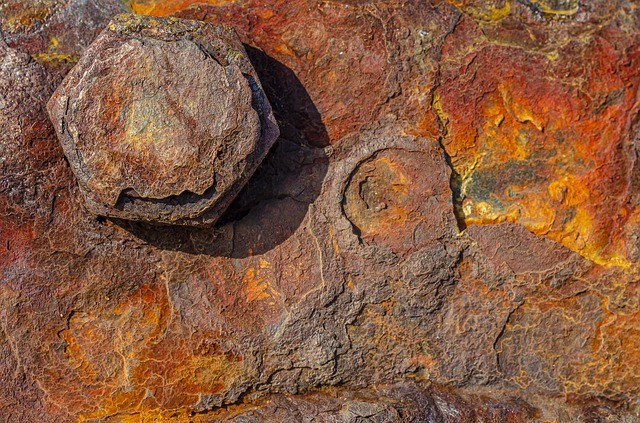
Stainless steel is known for its durability, sleek appearance, and resistance to corrosion—but it’s not completely immune to rust. If you’ve noticed unsightly brown stains forming on your surfaces, don’t worry. With the right approach, you can effectively remove rust from stainless steel and restore its clean, polished finish.
This guide is designed for Australian homes and businesses, where environmental factors like humidity, coastal air, and heavy usage in commercial kitchens can increase the risk of rust. Whether you’re maintaining a stainless steel bench, outdoor equipment, or kitchen appliances, these proven methods will help you get lasting results.
Common Causes of Rust on Stainless Steel
Stainless steel is famed for its corrosion resistance, yet it is not fully impervious. Several factors can influence the production of rust on stainless steel. Here are a few common causes:
1. Exposure to Chlorides
Chloride ions, which are typically present in salt, can damage the passive layer that protects stainless steel against corrosion. Coastal places with saline air, as well as surroundings that use de-icing solutions, can increase the risk of rust.
2. Harsh Chemicals
Strong acids and alkalis can destroy stainless steel’s protective oxide coating, making it prone to corrosion. This is especially true in industrial environments where corrosive chemicals are present.
3. Scratches and Abrasions
Physical damage to the surface of stainless steel, such as scratches or abrasions, can disrupt the protective layer, allowing corrosion to begin. Stainless steel should be handled with care, especially in places where it may come into touch with abrasive elements.
4. Lack of Oxygen
While stainless steel requires oxygen to develop its protective oxide coating, in some cases, a lack of oxygen can cause this layer to break down. This can occur in nooks or regions with insufficient airflow.
5. Heat Damage
Excessive heat, particularly in the presence of certain chemicals, can cause the passive layer on stainless steel to break down, leaving it more susceptible to corrosion.
6. Contamination during Fabrication
If the stainless steel is contaminated during the manufacturing or fabrication process with non-corrosion-resistant components, it may experience localised corrosion.
7. Poor Quality Stainless Steel
In some circumstances, using low-quality or incorrectly alloyed stainless steel might reduce corrosion resistance. It is critical to select a suitable grade of stainless steel for each application.
8 Biological Factors
In maritime conditions, marine organisms such as barnacles can adhere to stainless steel surfaces. The byproducts of their activities can cause rusting.
Before You Start: What You’ll Need
Before tackling rust stains, gather the following materials:
- Soft microfiber cloths
- Non-abrasive scrubbing pads
- Baking soda
- White vinegar
- Lemon juice and salt
- Commercial stainless steel cleaner (optional)
Safety Tips:
- Always clean with the grain of the stainless steel.
- Avoid steel wool or wire brushes—they can cause further damage.
- Test any cleaning solution on a small, hidden area first.
Now, let’s take a look at the tactics that will help you remove rust from stainless steel.
How to Remove Rust from Stainless Steel?
1. Cream of tartar method
In this method, you have to combine a few drops of lemon juice along with a full tablespoon of tartar cream. After that, you can apply this paste to any rusty area of the stainless steel. Besides, it would be ideal to use a soft sponge to rub the paste over all the visible rusty areas on the metal surface of the stainless steel kitchens accordingly. Once all the rusty spots have been covered up, you can make use of another damp sponge to wash off the paste from the metal surface. Then dry off the metal simply with the help of a dishcloth and have your job done.
2. Lemon juice method
This is one of the most effective rust cleaning methods for stainless steel surfaces. To perform this, you will need a mixture of equal amounts of baking soda and lemon juice to prepare a paste. After that, apply this paste all over the rusty metal surfaces. Then wash off the applied paste using a damp sponge. If you find that the oxidation still exists, it would be ideal to apply the paste again and leave it for 30 minutes at least before you remove it. You can take lime juice into the action instead of lemon juice here
3. Using baking soda paste
This simple method might appear to be extremely effective for removing rust. Firstly, take a certain amount of baking soda and two cups of water. After that, combine them to prepare a thick paste and apply it over the oxidation on your stainless steel appliances accordingly. Then scrub the paste over the metal surfaces according to the metal grain direction using a clean and tidy cloth. Eventually, use a damp paper towel to rinse off the metal surface and wash the paste away from it.
4. Knock out the rust using vinegar
Vinegar is always considered the most common household product for cleaning rust. It includes acetic acid that works as a mild corrosive cleaner in removing rust and dirt. At first, fill up the container with vinegar. Then immerse the stainless steel appliance in it if possible.
Otherwise, you can pour the vinegar on the rusty spots and leave it as it is for at least five minutes. After that, scrub the lingering stains away with the toothbrush bristles until you completely wipe out the stains. Once the rusty stains are removed, rinse the surface with normal water and let it dry.
The Power of White Vinegar
White vinegar is an effective and natural method for eliminating rust from stainless steel surfaces. Stainless steel is famed for its corrosion resistance, although rust can still form, particularly in extreme environments or after prolonged contact with moisture. Because of its acidic nature, white vinegar can aid in the breakdown and dissolution of rust, making it an efficient and inexpensive rust removal solution.
5. Commercial Stainless Steel Rust Removers
For more stubborn rust, commercial cleaners can provide stronger results.
How to use:
- Follow the manufacturer’s instructions carefully.
- Apply with a soft cloth or sponge.
- Rinse thoroughly after use.
What to look for in Australia:
- Non-chlorine formulas
- Food-safe certification (for kitchen use)
- Products designed specifically for stainless steel
Best for:
Heavy rust, commercial kitchens, and industrial equipment.
6. Non-Abrasive Scrubbing Pads
Sometimes, a gentle scrub is all you need.
Tips:
- Always scrub in the direction of the grain.
- Use light pressure to avoid scratching.
- Combine with a cleaning solution for better results.
Best for:
General maintenance and removing early-stage rust.
What NOT to Do When Removing Rust
Using the wrong method can make the problem worse. Avoid the following:
- Steel wool or wire brushes: These scratch the surface and introduce iron particles.
- Chlorine-based cleaners: These can permanently damage stainless steel.
- Harsh abrasives: They strip away the protective layer.
- Ignoring the grain: Scrubbing against the grain can leave visible marks.
Protecting the integrity of the stainless steel is just as important as removing the rust.
How to Prevent Rust on Stainless Steel
Prevention is the best long-term solution. Here’s how to keep your stainless steel rust-free:
1. Clean Regularly
Remove dirt, grease, and contaminants before they cause damage.
2. Dry Surfaces After Cleaning
Moisture is one of the main contributors to rust formation.
3. Avoid Harsh Chemicals
Stick to stainless steel-friendly cleaners.
4. Apply Protective Coatings
Specialised polishes can add an extra layer of protection.
5. Choose the Right Grade
- Grade 304: Suitable for most indoor applications
- Grade 316: For coastal or high-moisture environments (common in Australia)
6. Be Mindful in Coastal Areas
Salt air significantly increases corrosion risk, so more frequent maintenance is essential.
7. Set up an exhaust canopy in your kitchen
Set up an exhaust canopy and a kitchen hood device containing a mechanical fan. This device hangs above the gas and can drive the mixture away from your kitchen. Therefore, the chances of getting rust on stainless steel surfaces are reduced significantly. It’s always wise to have a proper line of defence against expensive household objects.
Exhaust canopies from A1 Custom Stainless & Kitchens are designed to provide proper exhaust and replacement air through the custom ductwork that we install for your kitchen. The best thing about our custom exhaust canopies is that there is a minimum blockage in the ducts for free movement of air in and out of the system.
When to Replace vs Restore Stainless Steel
While most rust can be removed, there are cases where replacement is the better option.
Restore if:
- Rust is light and surface-level
- The structure is still intact
- Stains can be removed with cleaning methods
Replace if:
- There is deep pitting or corrosion
- The metal is structurally weakened
- Rust keeps returning despite maintenance
Investing in high-quality stainless steel can save time and money in the long run.
Why Quality Stainless Steel Matters
Not all stainless steel is created equal. High-quality materials are more resistant to rust and easier to maintain, especially in demanding Australian environments.
For commercial kitchens, workshops, and outdoor installations, choosing premium stainless steel products ensures:
- Better corrosion resistance
- Longer lifespan
- Easier cleaning and maintenance
- Improved hygiene and safety
If you’re dealing with frequent rust issues, it may be time to upgrade to a more suitable grade or better-quality product.
Conclusion