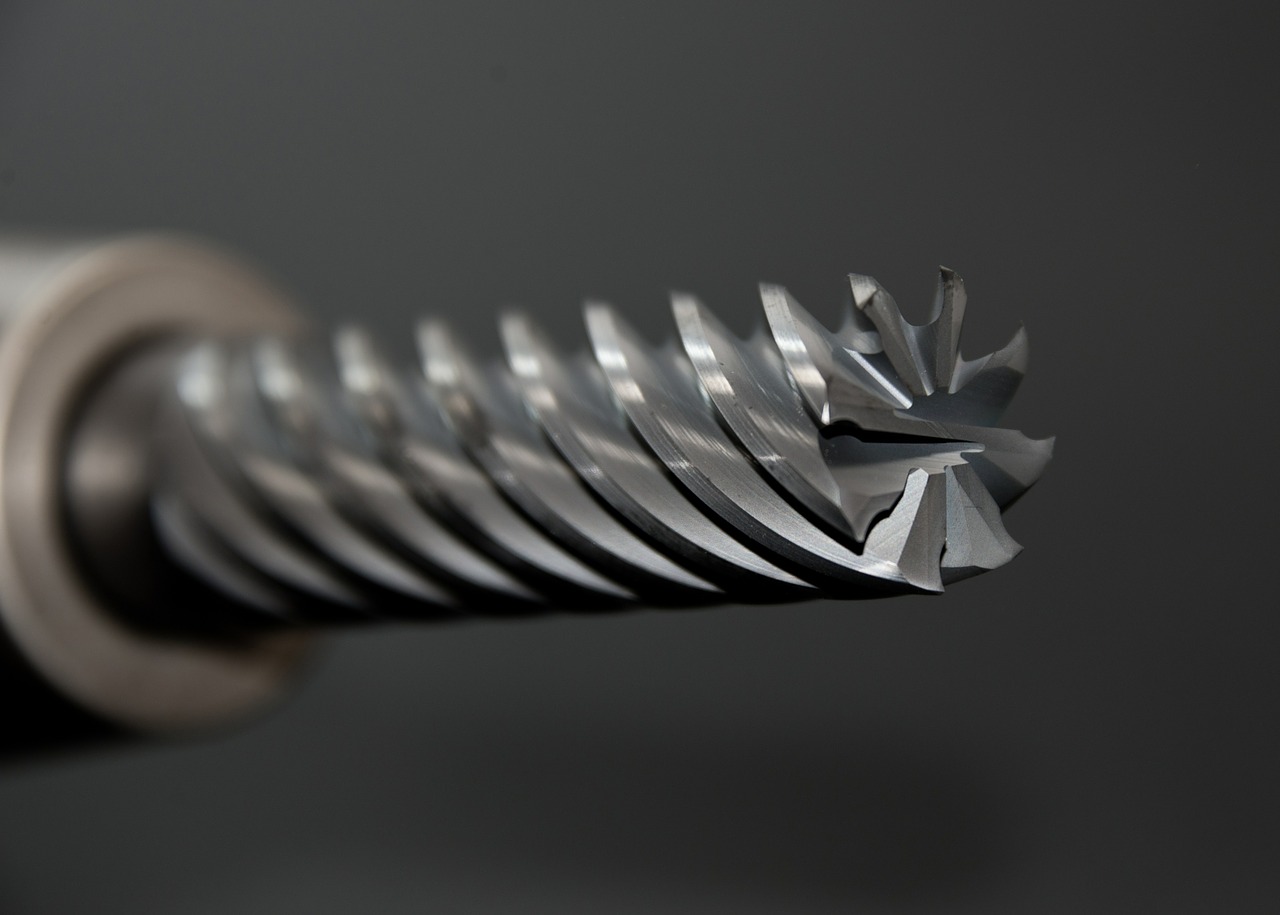
Whether you’re drilling a hole through a bench-top, or other appliance, this can be tough. The nature of stainless steel can cause it to resist the drilling process. Which is why, it’s important to apply the right steps and tools when you’re drilling. If you’re looking to make this process easier, then keep on reading.
Why is it So Hard to Drill Stainless Steel?
Many prefer stainless steel over other metals because of its strength. Whether you need to do so because of a renovation, repair or even general maintenance work. The truth is, there are a variety of uses of stainless steel. But, these properties make it much more challenging to drill through.
When the drill meets the steel it warms up. This friction and heat causes it to harden making it difficult to drill. Which is why, this needs a very careful process, such as taking your time when drilling. Also, the drill must be wet to ensure that the bit is kept cool.
What Are the Best Drill Bits for Stainless Steel?
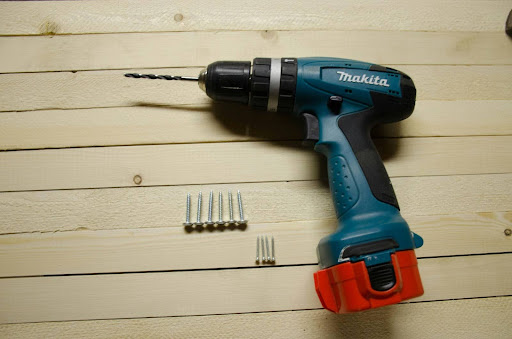
Since stainless steel demands a tailored approach, choosing the right drill is important. It’s key to select a drill accessory specifically designed to manage steel. By knowing the types of drills available, this can help you to make the right decision going forward.
See the drill bit breakdown:
- HSS (High-Speed Steel): This cost effective bit is effective for smaller drilling tasks. Given its softer properties, it’s able to drill through thinner stainless steel sheets. Making it a solution for general applications, such as installations and maintenance. But, it can become impractical for heavier tasks.
- Cobalt (HSS-Co): Cobalt drill bits provide highly efficient and effective drilling. This is used commonly for this material, especially in moderate applications. Its steel and 5-8% cobalt components prevent the steel from hardening with drilling.
- Solid Carbide: For heavy duty industrial applications, this bit is ideal. Offering the ultimate wear and volume resistance with time. It offers precise drilling effective for heavy duty use. But it’s important to set this up properly to prevent it from being brittle.
*Hot tip from the pros: Still unsure of the right stainless steel drill? Consider the premise, such as whether the appliances’ steel-makeup is thinner, or thicker. From low, moderate to heavy duty applications.
How To: Drill through Metal with a Hand Drill
Since stainless steel hardens with heat, it makes the drilling process tougher. Which is why it’s important to maintain the right care throughout the process. See how to make this process more hassle-free with our guide.
Your Toolkit
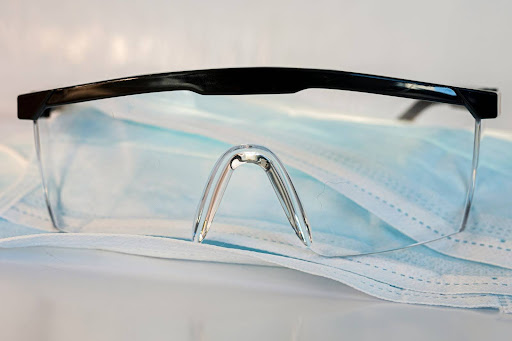
Don’t Forget Your PPE:
Your Step-By-Step Process
- Prepare for Drilling: Taking the workpiece, clamp it into position for stability. Then, using your centre punch or marker, spot where the hole will be drilled. This will provide a clearer guideline for the drilling process.
- Choose the right size: Before drilling, it’s important to consider the size of the hole marked. As a general rule of thumb, the thicker it is, the bigger the drill bit to use. A single drill bit is effective for holes less than 3mm. On the other hand, with larger holes use a drill bit half the size of the diameter.
- Keep the Bit Cool: Manage heat caused by the friction by thoroughly lubricating the bit. The lubricant or cutting fluid helps the steel not harden.
- Begin the Drilling: When applying the drill, work slowly and apply as much pressure as you can. You can do this by changing the drill setting to the slowest speed. Remember to adjust the pressure, such as when drilling smaller fragile pieces.
- Continue Drilling: Repeat steps three and four until the swarf (waste) has left. Be sure to maintain good pressure, slow speed and care throughout. Once done, avoid skin contact with steel.
*Hot tip from the pros: Not sure whether you’re on the right track? Look out for a spiral exiting the stainless steel. This means that you’re applying enough pressure to the drill!
When and Why You May Need to Speak to an Expert
The tough properties of stainless steel make it popular as a material. This is especially popular for applications in heavy duty commercial kitchens. Stainless steel has heat, rust and corrosion resistance over-time. Alongside this, its sleek look and muted colours can elevate the look of any space.
To maximise the benefits of stainless steel, consider turning to a professional. From the right techniques, tools to experience, they can offer an easier process. Providing you with peace of mind.
Get in Touch With Us Today
Looking for the right professional to install stainless steel? Look no further than our team. At A1 Stainless & Kitchens we offer many stainless steel services. From exhaust canopies, stainless steel bench tops, to custom products.
Contact us here or at (07) 3888 7534!