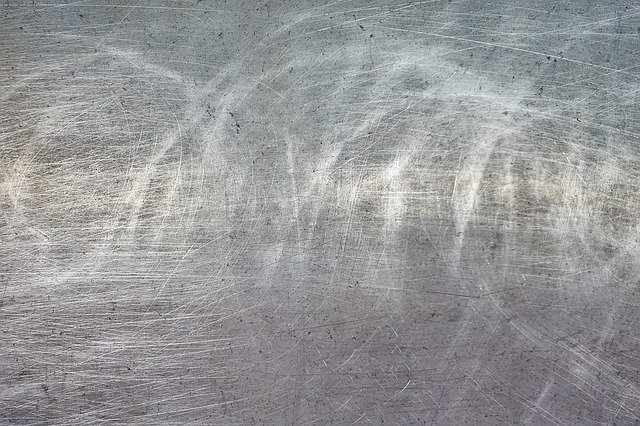
Have you noticed scratches on stainless steel kitchen appliances? From fine to deep indents, we know that this is hard to tackle. While this material is known for its durability, it’s also susceptible to wear and tear. This is because with time, the surface breaks down with ongoing cleaning or contact with harsh materials.
See how scratch removal is simple, see our guide:
Why Polishing Stainless Steel Regularly is Important
When the steel surface can corrode with time, it’s important that this is polished regularly. As a material this is very susceptible to scratching which can cause permanent damage. This is to remove the impurities and maintain its finish.
In your kitchen, appliances like microwaves should be polished every two to four weeks. On the other hand, outdoor items like a grill can be restored every month.
If you’re unsure, read how to polish stainless steel to help keep this material in good condition. By doing so, you can help your stainless steel appliance in good condition.

Do a Simple Test to Detect the Stainless Steel Scratch
Spotted some scratches but aren’t sure how to address these? It’s important to first diagnose the type of scratch at hand. By doing so, this can help restore the appliance more smoothly.
Fine stainless steel scratches
To pinpoint a fine scratch, you’ll notice that when you feel the surface it still feels smooth. This is because the scratch hasn’t pierced through the surface.
Deep stainless steel scratches
On the other hand, when there’s a deep scratch your fingernail will get caught within it. This is because it’s scratched through the metal surface instead.
How To: Your Guide to Getting Scratches Out of Stainless Steel
When scratches affect the look of your stainless steel appliances, it can be hard to know the right steps to take. Rest assured, the scratch removal process is relatively easy but depends on the level of surface damage.
Have you identified the type of scratch from the above? Keep reading to see how to restore your appliance.
See how below:
Fine Scratches
Once you’ve determined the extent of the damage, this then allows you to readily rectify this. Depending on the level of the flaw, you can opt for one of two effective solutions. Both involve harnessing the household ingredients you already have on hand. Remember, your approach to repairs doesn’t have to be complicated.
The Baking Soda method
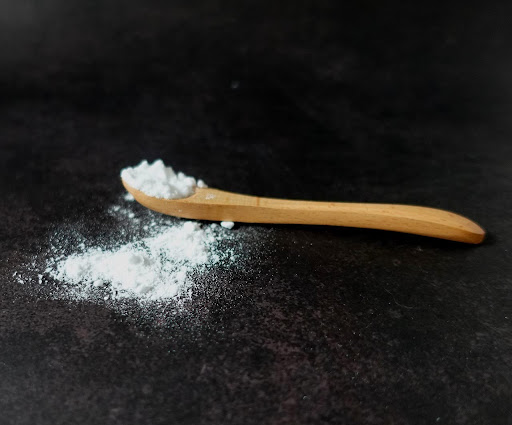
What you need:
- Clean the surface: Clean the area of treatment by taking a damp cloth and using soap and water. Follow this by thoroughly drying with a dry cloth.
- Create the mixture: To create your own treatment, combine one part water with two parts baking soda. This will then form a paste-like consistency.
- Treatment application: Using a new damp cloth, dip this into the paste mixture and ensure there’s a good amount on this. Use a back and forth motion to rub the scratch in the direction of the grain.
- Let the treatment sit: Once applied, allow the treatment to sit for at least three to four minutes. Then, remove this by taking a new damp cloth and examining it. If the scratch persists, repeat steps three and four as needed. Then dry with a dry cloth.
- Steel finishing: When you can no longer see the scratch, apply a finish to restore its shine and appearance. You can do so either way through using a small amount of olive oil or stainless steel finish.
Toothpaste method
Here’s what you need:
- Prepare the area: Before applying the treatment, clean the area with water and soap mixture using a damp cloth. Then, taking another damp cloth, remove the remaining soap, follow this with a dry cloth to dry the area thoroughly.
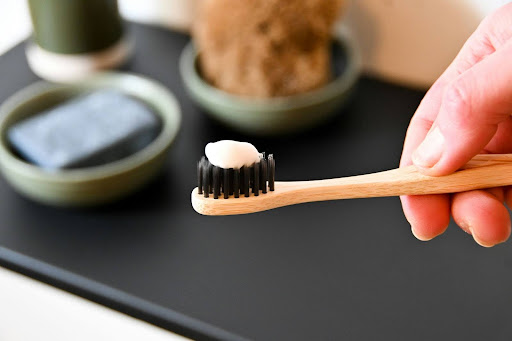
- Apply the toothpaste: Using either a toothbrush or a gentle cloth, apply the toothpaste to the affected area. Work in swiping motions with the grain for 30 seconds to a few minutes.
- Rinse the area: Once you’re confident in the clean, take a new damp cloth to wipe off the residue. Then follow this with a clean dry cloth to dry thoroughly. Inspect for whether the scratch is gone, and repeat steps two and three as needed.
- Steel finishing: To restore the look of the stainless steel, apply some stainless steel finish or olive oil.
Deeper Scratches
Given that this scratch type pierces across the surface, more invasive action is needed. Which is why, it’s important to instead sand the steel along the grain. Rest assured, this is simple with our breakdown of how to polish scratches out of stainless steel. Helping provide peace of mind with every step.
Here’s what you need:
- Prepare the area: Before you begin, it’s important to first clean the entire treatment area. Use warm water and soap with a damp cloth, then dry thoroughly with a dry cloth.
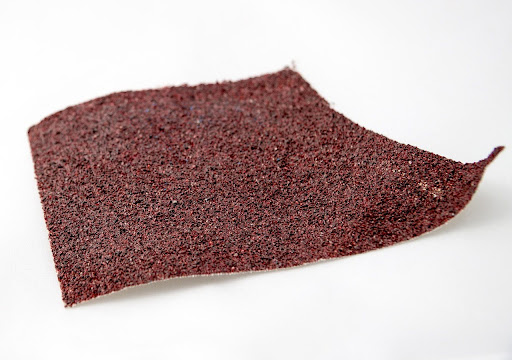
- Sand scratched steel: Gently buff the surface with your coarse stainless steel scratch remover. Make sure to use circular motions along the grain of the scratch.
- Use a finer grit: When the scratch is hollowed out, opt for finer grit sandpaper or pad from the kit. This then helps to remove the existing surface imperfections.
- Clean and dry: Take a new damp cloth to wipe the treated area, then dry thoroughly with a soft dry cloth.
- Apply the finish: To restore the shine and lustre of the stainless steel, apply some stainless steel finish or olive oil.
Can’t Repair a Steel Scratch? Consult a Professional
When it comes to a serious scrape, there are many signs to look out for. If your fingernail gets caught in the scratch very easily this can indicate a serious problem. Alongside this, look out for any visible imperfections in the surface such as dents or cracks.
In this case, it’s best to contact a professional to remove the scratch. This is because they have the expertise, experience and tools that are needed to do so.
Leave the Deep Scratches to Us, See Our Team Today
In the event of a serious scrape, it’s important to turn to the right team. At A1 Custom Stainless and Kitchen, we’re backed with over a decade of industry experience. Leaving many commercial properties across Brisbane with pleasing, and functional stainless steel appliances.
Contact us here or at (07) 3888 7534!
FAQS
How Do I Identify the Grain When Removing the Scratch?
To determine the grain, observe the direction that the tiny lines in the scratch are going in. So when you buff at the surface, you know which direction to do so.
What Happens If I Polish Against the Grain?
Polishing against the grain can create new scratches and dull the finish. Always work in the same direction as the natural grain to maintain a consistent appearance.
What Should I Avoid When Removing Scratches From Stainless Steel?
Avoid steel wool, harsh scouring pads, bleach-based cleaners and abrasive chemicals. All of these can damage the protective surface layer and make scratches worse. See how to maintain stainless steel for an in depth guide on cleaning.