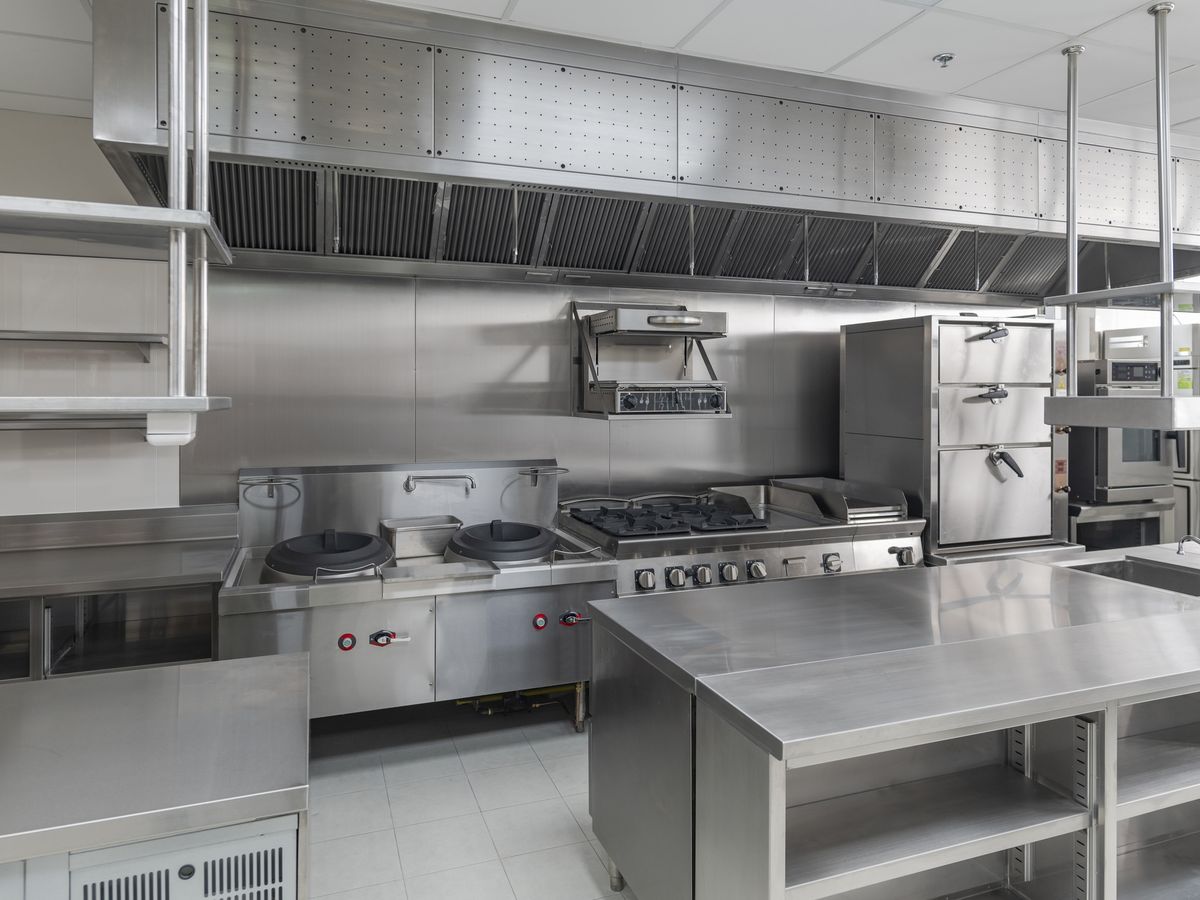
Stainless steel wall panels are custom-cut sheets of stainless that clad full wall runs in a commercial kitchen, rather than the single strip behind one appliance that a splashback covers. Food Standards Code Standard 3.2.3 requires walls in food handling areas to be impervious to grease and water and easy to clean, and Queensland councils check this before a fitout is signed off. Most Brisbane commercial kitchen builders default to stainless because it has no grout lines to break down and EHOs rarely question it.
What Are Stainless Steel Wall Panels?
Stainless steel wall panels are sheets of stainless steel fabricated to the exact size of a wall and fixed over the substrate to create a continuous, non-porous surface. You will also hear them called stainless steel wall cladding. The two terms mean the same thing.
The difference between wall panels and a splashback comes down to coverage. A splashback sits behind a single appliance or cooktop, usually from bench height to the underside of a canopy or shelf. Wall cladding covers whole wall runs, sometimes floor to ceiling.
Typical applications include:
- Behind cooking equipment, where heat and grease hit the wall hardest
- Food prep areas, where walls get splashed and wiped down many times a shift
- Wash-up zones, where water, detergent and sanitiser run down the wall all day
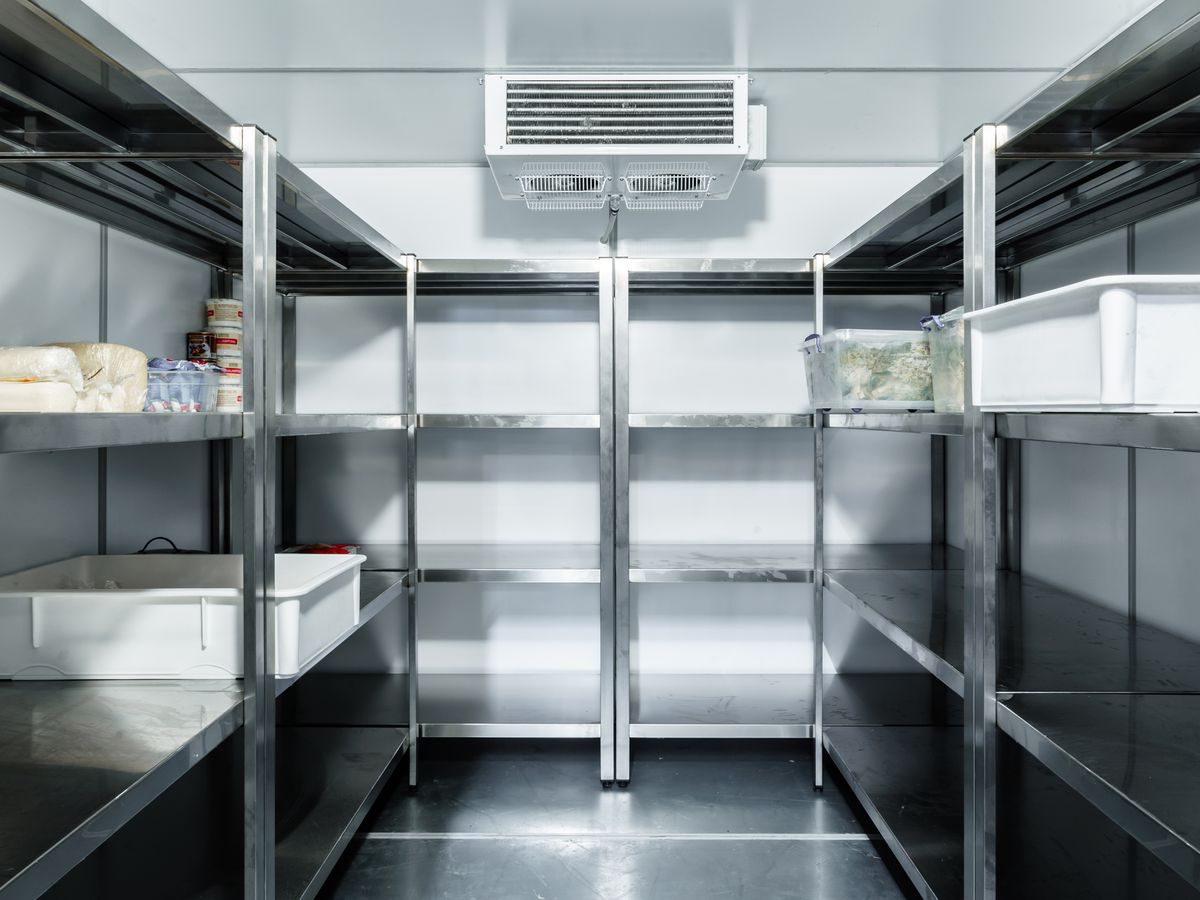
- Walk-in coolroom linings, where condensation causes paint and other finishes to fail
When Are Stainless Steel Wall Panels Required in QLD Commercial Kitchens?
No Queensland regulation names stainless steel as a mandatory wall material. The rules set a performance standard instead, and stainless steel is the easiest material to meet it with.
Food Standards Code Standard 3.2.3 (Food Premises and Equipment) applies to every food business in Australia. Clause 11 requires walls in areas where food is handled to be unable to absorb grease, food particles or water, and able to be easily and effectively cleaned. Clause 3 adds that the premises must not provide harbourage for pests, which rules out open joints and gaps around penetrations.
In Queensland, these requirements are enforced under the Food Act 2006. Queensland Health oversees the framework, while local councils licence food businesses and send environmental health officers (EHOs) to inspect them. Councils commonly use AS 4674-2004, the Australian Standard for the design, construction and fit-out of food premises, as the benchmark when assessing fit-out plans.
This gets tested at fit-out sign-off. Before a new food business licence is approved, an EHO walks the kitchen and checks wall finishes in the prep, cooking, wash-up and storage areas. Painted plasterboard behind a fryer or cracked grout in a wash-up bay can be enough to hold up the licence and push back your opening date.
Stainless steel is non-porous and copes with daily use of commercial detergents and sanitisers, so the material itself passes easily. The joints are the part to watch. Panels that are cut to fit and properly sealed leave nowhere for food waste or pests to collect.
Choosing the Right Grade: 304 vs 316
304 is the standard grade for indoor commercial kitchens. It copes with normal kitchen conditions and costs less than 316. It is also the grade most commercial benches and canopies are made from, so the walls will match the rest of the kitchen. For most Brisbane cafés and restaurants, 304 is the right call.
316, often called marine grade, contains molybdenum, which gives it much stronger resistance to chlorides. Kitchens near the water, such as bayside venues around Redcliffe or Sandgate, deal with salt air settling on every surface. Kitchens that use chloride-heavy cleaning chemicals or chlorine-based sanitisers every day, such as seafood prep rooms, put 304 under more stress than it was made for.
Some kitchens split the spec, using 316 in the wash-up area and 304 everywhere else. For the full breakdown, read our guide to 304 vs 316 stainless steel. If a supplier quote lists a grade you do not recognise, stainless steel grades explained covers the rest of the range.
Thickness and Finish Options
Wall panels do not carry loads the way a benchtop does, so they use a lighter gauge. Typical thickness for commercial kitchen wall cladding is 0.9mm to 1.2mm. Where trolleys, crates and mop buckets regularly bump the wall, the thicker end of that range holds up better.
The finish you choose also decides how easy the wall is to clean, and how clearly an inspector can tell whether it actually is clean during a health audit.
A #4 brushed finish is the most common choice in commercial kitchens. The fine directional grain hides light scratches, wipes clean along the grain and matches most commercial benches and canopies.
A 2B mill finish is smoother and slightly dull, straight from the mill. It costs less and is perfectly hygienic, but scuffs show more readily, so it suits back-of-house areas such as coolroom linings better than a visible cook line.
A mirror finish is not recommended for food prep areas. It throws glare under kitchen lighting and shows every smear and fingerprint, which makes contamination harder to judge and a clean wall look dirty during an audit.
How Wall Panels Are Measured, Cut, and Installed in Brisbane
Every set of wall panels is custom fabricated, because no two kitchen walls are the same and almost every wall has something coming through it.
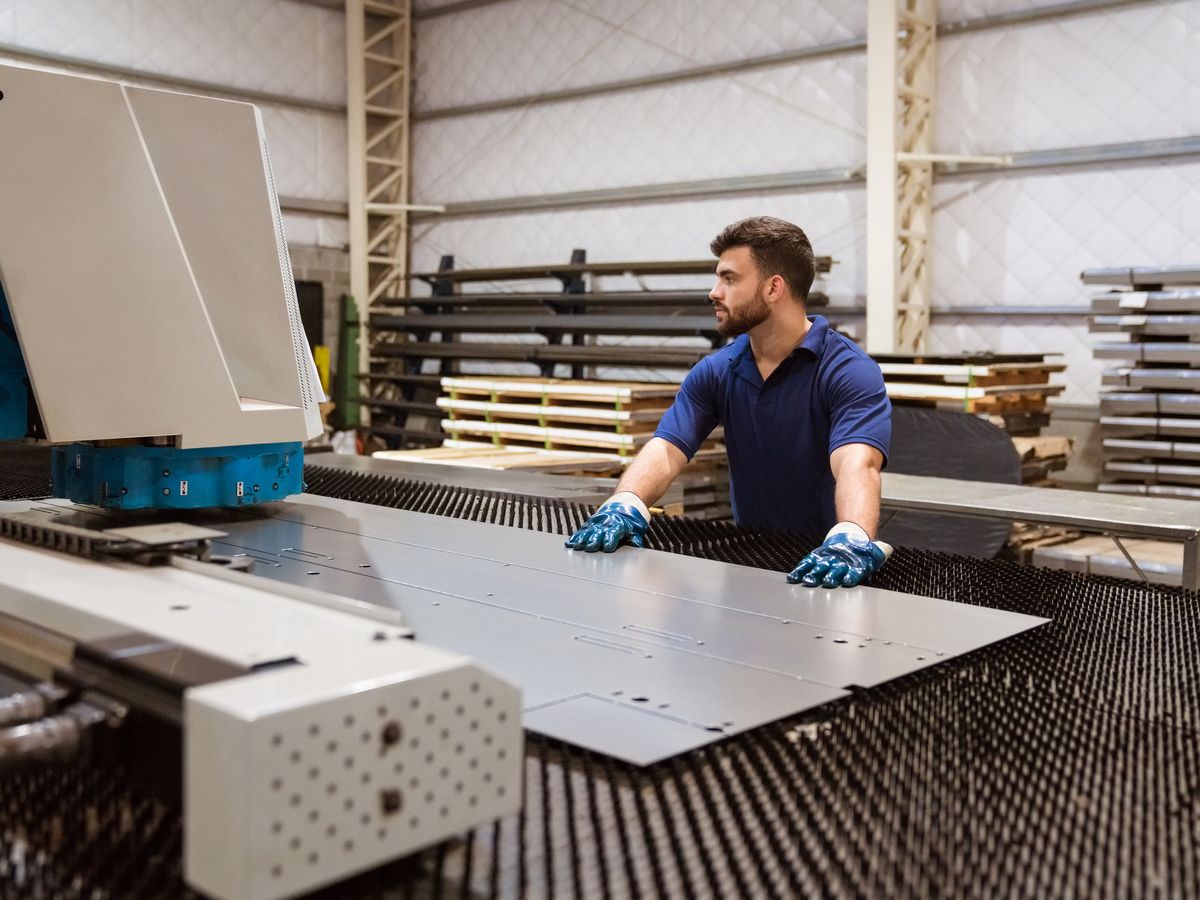
The process starts with a site measure. The fabricator measures each wall and checks it for square and plumb. Every power point, plumbing penetration and extraction duct gets marked. Those cutouts are built into the fabrication, so panels arrive ready to fit instead of being cut on site.
Panels are fixed directly to the wall substrate using food-safe silicone, mechanical fixings or both. Every joint and edge is then sealed with silicone to close off harbourage points, the small gaps where food scraps build up, and pests can shelter. A poorly sealed joint can fail an inspection even when the panels are compliant.
That is the main reason to use a local fabricator. A Brisbane-based team can measure on site, come back if the builder moves a sink, and fit the panels with the same people who made them. Working from drawings or emailed dimensions is how panels turn up 20mm short. Wall panels are part of our custom stainless steel fabrication in Brisbane work, made to measurements we take ourselves.
How Much Do Stainless Steel Wall Panels Cost in Brisbane?
Cost depends on total wall area, grade, gauge, finish and the number of cutouts.
Be wary of per-square-metre prices from suppliers who have never seen your site. A square-metre rate does not account for six cutouts behind the cook line or a wall that is 15mm out of plumb. Those details drive the price, and nobody sees them until someone measures the site. A quote built from measured dimensions gives you a number you can put straight into a fitout budget.
Lead times for custom-cut panels depend on the size of the job and the workshop schedule. Fabrication can only start after the site measure, so book it as soon as your walls and services are ready, and confirm the lead time with your quote.
How Wall Panels Work Alongside Your Other Kitchen Equipment
Wall panels are rarely ordered on their own. In most commercial kitchen fitouts, they sit in the same project scope as benchtops, sink benches and exhaust canopies, because all of those elements meet on the same walls.
When they are fabricated together, one site measure covers every element, so the cladding behind a stainless steel kitchen bench lines up with the bench height and stops exactly where the canopy begins. Grade and finish stay consistent across the kitchen, and you pay for one measure and one installation visit instead of coordinating separate trades.
If you only need protection behind a single appliance, a commercial kitchen splashback may be all the job requires. For a full kitchen, plan the wall panels together with your exhaust canopy installation in Brisbane, so there is no gap between the cladding and the canopy.
Frequently Asked Questions
Do I need stainless steel wall panels behind every piece of cooking equipment?
Not necessarily stainless, but every wall behind cooking equipment must meet the impervious, easily cleaned requirement of Standard 3.2.3. Stainless steel is the most common choice behind cook lines because heat and grease will not break it down the way they do paint or grout.
Can stainless steel wall panels be installed over existing tiles?
Often, yes, as long as the tiles are flat and firmly bonded. Loose or cracked tiles need to come off first, because movement behind the panel will break the silicone seals. Your fabricator should also check how the added thickness affects power points and plumbing fittings.
What is the difference between a splashback and full wall cladding?
A splashback covers the wall directly behind a single appliance, cooktop or bench. Full wall cladding covers entire wall runs, often floor to ceiling, and suits wash-up areas, prep rooms and coolrooms where the whole wall gets wet.
How do I clean and maintain stainless steel wall panels in a busy kitchen?
Wipe the panels daily with warm water and a mild detergent, working along the grain, then dry them to avoid streaks. Avoid steel wool and chlorine bleach, which can scratch or pit the surface. Check the silicone joints regularly and reseal any that have lifted.
Do Brisbane council inspectors require wall panels in cold rooms and wash-up areas?
Inspectors apply the same impervious, easily cleaned standard to coolroom and wash-up walls as they do to prep areas. Wash-up zones take constant water and chemical exposure, so stainless cladding is a common choice there, and stainless linings are often added to coolrooms where extra durability is needed.
How long does fabrication and installation take?
Fabrication time depends on the size of the job and the workshop schedule, and it starts once the site measure is done. Installation is usually quick once panels are on site. Ask for the lead time with your quote so you can plan around your opening date.
Book a Site Measure for Your Commercial Kitchen
A1 Custom Stainless & Kitchens fabricates and installs stainless steel wall panels for commercial kitchens across Brisbane and South East QLD from our workshop in Burpengary East. We hold a QBCC licence and use our own team for every installation. Much of our work is Brisbane commercial kitchen fitouts, where wall panels go in alongside benches, sink benches and exhaust canopies. Book a site measure, and we will quote from your actual walls and services. Call 07 3888 7534 or request a quote online.
Free Site Measure — Commercial Wall Panels
Book a site measure, and we will quote from your actual walls and services.