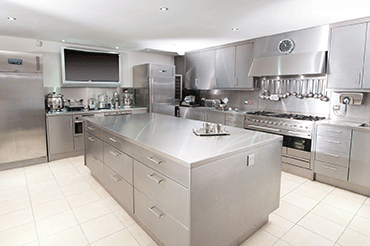
Stainless Steel Sink Bench: The Complete Specification Guide for Commercial Kitchens
How to specify a stainless steel sink bench that passes inspection: integrated vs drop-in bowls, bowl depth, tap holes, drainage slope and grade.
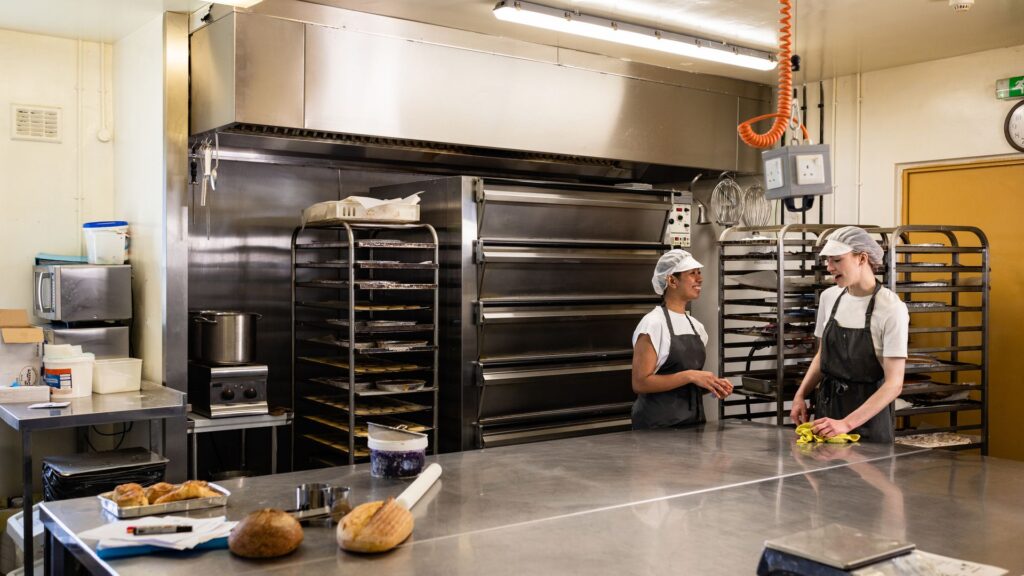
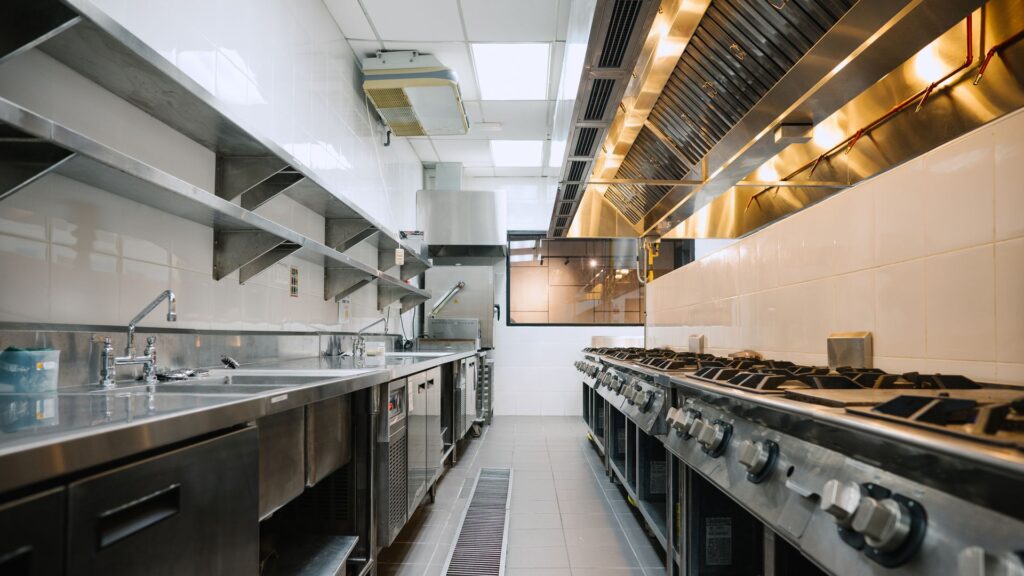
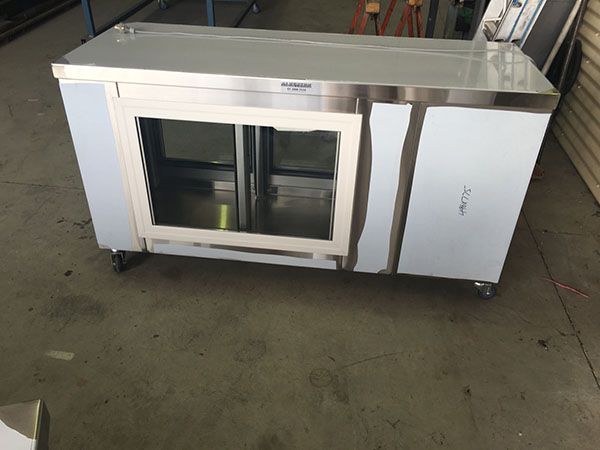
Who needs a stainless steel workbench, 304 vs 316 grade, gauge, legs, castors and shelving options for trade, industrial and food production use.
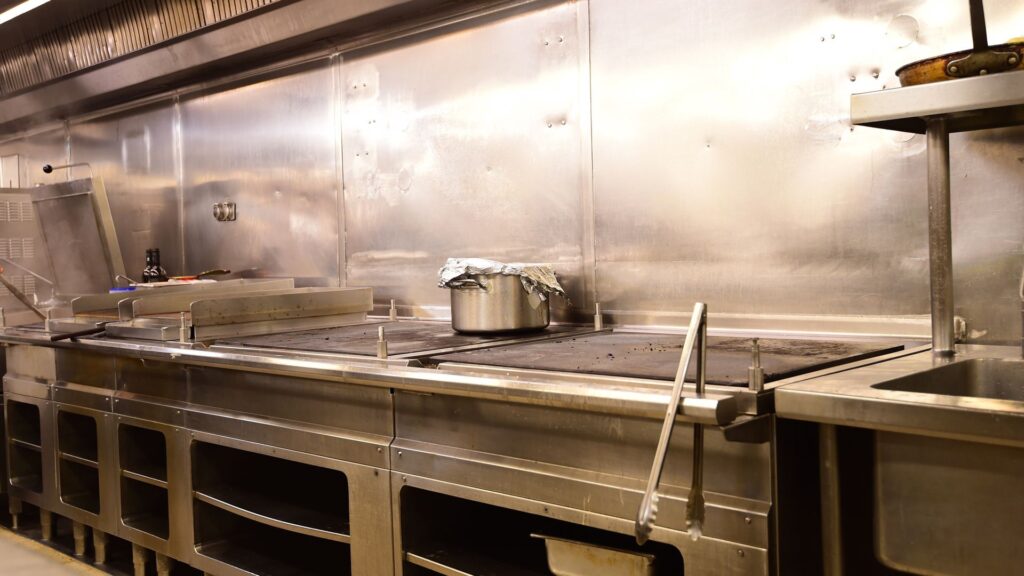
How commercial range hoods and exhaust canopies are sized and specified, the four most common inspection failures, and how we quote.
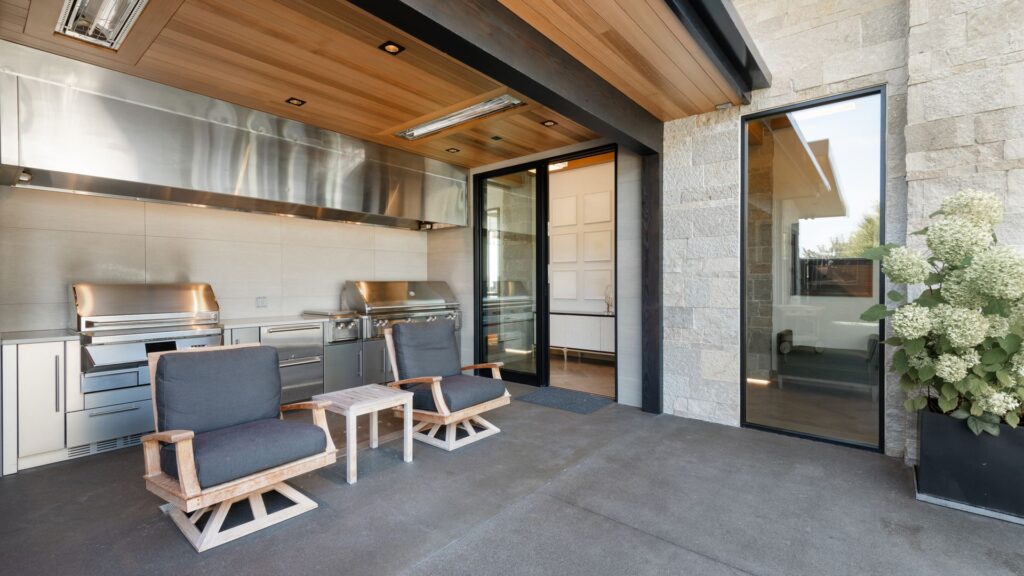
Plan an outdoor BBQ kitchen that lasts in Queensland: why stainless steel and 316 grade on the coast, layout decisions, what to include and care.
Why stainless steel splashbacks outperform tiles and glass in commercial kitchens: AS 4674-2004 requirements, a material comparison and installation.
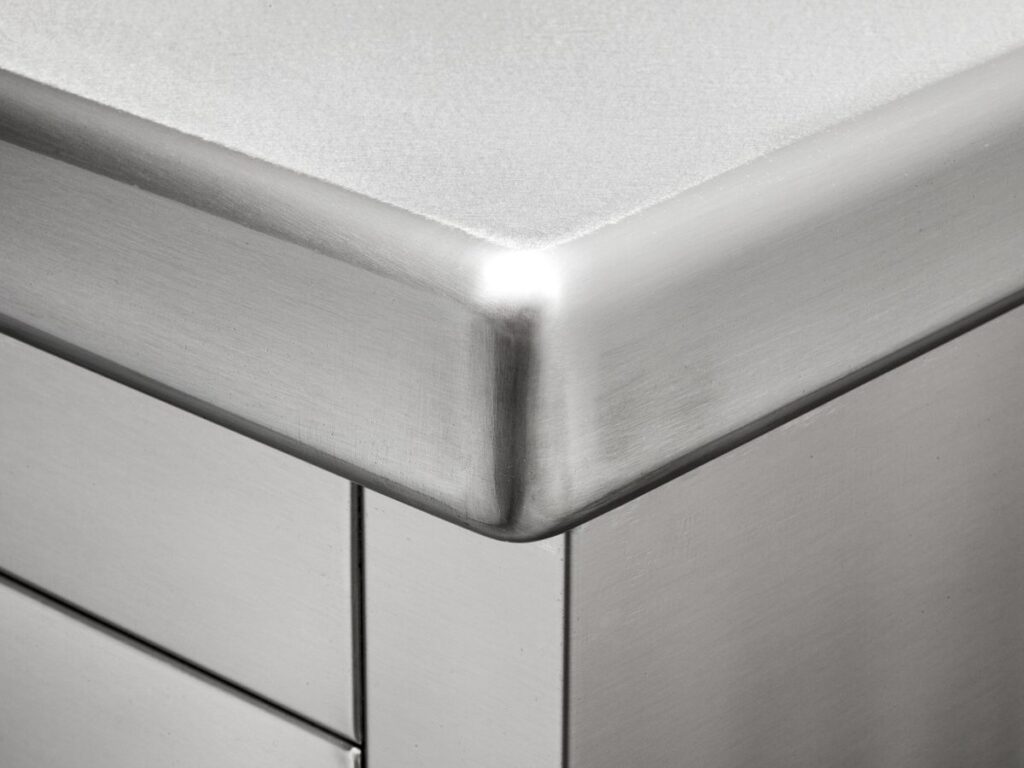
Stainless steel benchtop thickness affects durability, noise, and compliance. We explain the difference between 1.2mm, 1.5mm, and 1.6mm gauges and what each one is right for in a commercial kitchen.
The commercial kitchen layout you choose affects workflow, compliance, and staff efficiency every single service. We break down the 5 main layouts, what each suits, and what to consider before you build.
304 vs 316 stainless steel for commercial kitchens: what the grades mean, where 201 and 430 fail, and how to choose for food contact and coastal sites.
Compare stainless steel, engineered stone, and laminate kitchen benchtops on hygiene, heat resistance, lifespan, and cost. Which is right for your commercial or home kitchen?